
QuantyPhi Quarterly
A Message from the President

Over the years, credit unions have adopted a growing collection of tools to support balance sheet management. ALM modeling, CECL, liquidity stress testing, forecasting, investment analysis, strategic planning, and other important functions have often been performed separately, sometimes by different teams and frequently using different data sources.
As balance sheets have become more complex, we found that many credit unions were spending significant time reconciling information across systems rather than analyzing results and evaluating strategy. It became increasingly apparent that balance sheet management would benefit from a more integrated approach, which ultimately led to the development of ALM360.
At QuantyPhi, we believe balance sheet management works best when everything is connected. ALM360 was designed to bring together the key disciplines that influence financial performance and risk into a single platform. By utilizing a common data set and integrated analytics, credit unions can move beyond isolated reports and gain a more complete understanding of how decisions affect the balance sheet as a whole.
Whether evaluating investment strategies, monitoring liquidity, measuring interest rate risk, forecasting earnings, or managing CECL, having a single framework helps create consistency across the organization and supports more informed decision-making.
While ALM360 serves as the foundation of that integrated approach, our commitment extends well beyond the platform itself. Through ALM Validations, CECL Validations, and strategic advisory services, our team works alongside credit unions to evaluate assumptions, strengthen risk management practices, address regulatory expectations, and identify opportunities to improve balance sheet performance. From targeted projects to broader strategic initiatives, our goal is to help credit unions navigate the challenges and opportunities that come with managing a modern balance sheet.
As we look ahead, we remain focused on providing the expertise, insight, and tools that credit unions need to make sound financial decisions. We appreciate the trust our credit unions place in us and value the opportunity to support their long-term success.
Warm regards,

Adam Stone
President of QuantyPhi
Innovative Solutions for a Thriving Credit Union
The momentum behind ALM360 continues to grow.

In less than a year, ALM360 has been showcased to more than 90 credit unions, attracting interest from institutions ranging from approximately $5 million to more than $8 billion in assets. More than 150 credit unions have already joined Loan Central, the loan participations marketplace, and Simplified ALM is helping smaller institutions gain access to modern balance sheet management tools without the complexity of traditional implementations.
These milestones demonstrate the industry's appetite for a unified platform that connects risk management, analytics, and execution. Curious what ALM360 could look like at your credit union? Connect with the QuantyPhi team for a customized demonstration tailored to your balance sheet, strategy, and objectives.
Non-Maturity Deposit Analysis
The future of ALM starts with understanding your deposits.

Your share draft, regular share, and money market accounts represent one of the most important funding sources on your balance sheet. A Non-Maturity Deposit Analysis helps credit unions better understand member behavior, validate key model assumptions, and make more informed decisions around liquidity, pricing, and interest rate risk. As market conditions change, a fresh look at your deposit data can provide valuable insight into how your funding base may respond.
Digital Money and the Future of ALM
Considerations for credit unions to model tokenized deposits, stablecoins, and blockchain based financial assets.

As digital money gains momentum, credit unions may need to rethink some of the assumptions that underpin traditional ALM models. This article examines key trends, including stablecoins and tokenized assets, and highlights the potential opportunities and risks financial institutions should be watching now.
Market Commentary
Back to school: a new teacher for the students and a new chairman for the markets.
By: Wade Cooper, MBA, Financial Strategist
As students head back to school, they face a familiar challenge: adjusting to a new teacher with different expectations and a new style. Financial markets are experiencing something similar. With Kevin Warsh taking the helm as Federal Reserve chairman in May 2026, investors, lenders, and credit unions are learning how he will interpret the economic data guiding monetary policy. Warsh has emphasized Federal Reserve independence while offering less forward guidance than his predecessors, leaving markets more focused on incoming data.
Could the Federal Reserve raise rates before year end? President Trump continues to support lower rates and criticize restrictive monetary policy, but inflation remains above the Fed's long term 2% target. At Jackson Hole, Warsh said the Federal Reserve would "have work to do" if underlying inflation does not continue moving toward its target, prompting markets to increase expectations for possible rate hikes.
This creates a delicate balancing act. Additional tightening could draw criticism from those concerned about economic growth. If inflation remains elevated and the Fed does not act, others may question its independence from political pressure. The true test may not be whether rates move higher or lower, but whether decisions remain consistent with the Fed's dual mandate of price stability and maximum employment.
For credit unions, one encouraging development is the continued normalization of the Treasury yield curve. After an extended period of inversion, the curve has returned to a more traditional upward slope, with longer term yields exceeding shorter term yields by a meaningful margin.
That change matters. An inverted curve provides little compensation for extending maturities, making it difficult to balance income potential with price volatility and extension risk. With the curve positively sloped again, credit unions can consider a wider range of maturities and build more balanced investment ladders that generate income while controlling interest rate risk.
The curve also provides insight into market expectations. Short term Treasury yields remain heavily influenced by Federal Reserve policy, while longer term yields reflect concerns about inflation, federal borrowing, and future economic growth. Recent increases in ten-year and thirty-year yields may indicate that investors expect rates to remain higher for longer than previously anticipated.
Higher long-term rates continue to challenge housing affordability. Elevated mortgage rates have reduced purchasing power, particularly for first time homebuyers, and limited housing market activity. Although loan demand may remain uneven, credit unions have an opportunity to guide members through budgeting, financing decisions, and long-term financial planning, strengthening relationships even during slower mortgage activity.
As students learn the habits and expectations of new teachers, markets are adjusting to a new Federal Reserve chairman. Inflation remains a concern; political pressure remains intense, and another rate hike is still possible. Yet the normalized yield curve gives credit unions a more rational framework for investment decisions. Whether Warsh holds rates steady or raises them, investors will ultimately grade him on independence rather than popularity. Like the best teachers, the best central bankers make difficult decisions when the facts require them.
Getting to Know Your CUSO Team
What your weekend says about your risk tolerance.
At QuantyPhi, understanding risk is at the heart of what we do. But how does that mindset show up outside the office? This month, we asked the QuantyPhi team: What everyday activity best explains your approach to risk? Their answers might surprise you.
"I enjoy playing golf. In golf, you don't shoot a good score by hitting every shot perfectly, that's not realistic. You post a good score by avoiding the big mistakes and playing consistent. Risk management is much the same way."
- Adam Stone, President
"Driving my car best explains my approach to risk. I don't drive excessively fast or stay in one lane driving slowly. I continuously scan ahead, evaluate conditions, and adjust when the reward outweighs the risk. The goal isn't to avoid all risks. It's to reach the destination safely and efficiently by making informed decisions along the way."
- Kyle Kabara, Director ALM & Investments
"My propane anxiety when grilling. We grill a lot and if I do not have a spare, full propane tank ready, I get nervous. It's the basic concept of being prepared with a backup plan. Plan A - grill dinner. If I run out of propane, Plan B is to hook up the backup tank. If there is no back up tank, Plan C is to bring the food back to the stove - but who wants to do that? Be prepared and have a backup plan because some food just tastes better cooked on the grill."
- Wade Cooper, Financial Strategist
"Being a dad probably best explains my approach to risk. Every day involves balancing caution with opportunity, thinking a few steps ahead, and understanding that not every outcome is within your control. I focus on being prepared, making thoughtful decisions with the information available, and adjusting when circumstances change."
- Max Bade, ALM & CECL Analyst
"I've been reflecting on what my daily responsibility looks like as a parent, especially when it comes to guiding my daughters. A big part of it is navigating the unexpected situations they bring up, whether related to personal matters, finances, or simply needing advice and reassurance. As a dad, the goal is to try to steer them in the right direction, even when it isn't always easy to get them to take that guidance in the moment. I've realized that if I'm not able to communicate things clearly and consistently, it can lead to consequences later on in one form or another.
At the same time, managing and controlling my own emotions during these conversations is THE RISK I must stay aware of, because reactions in the moment can shape how the message is received. Over time, I've also learned that patience and listening are just as important as giving advice, since understanding where they are coming from helps me respond in a more grounded way."
- Grant Peyron, Financial Strategist
Events
ALM360 Spotlight: Modernizing Balance Sheet Management | Webinar Series
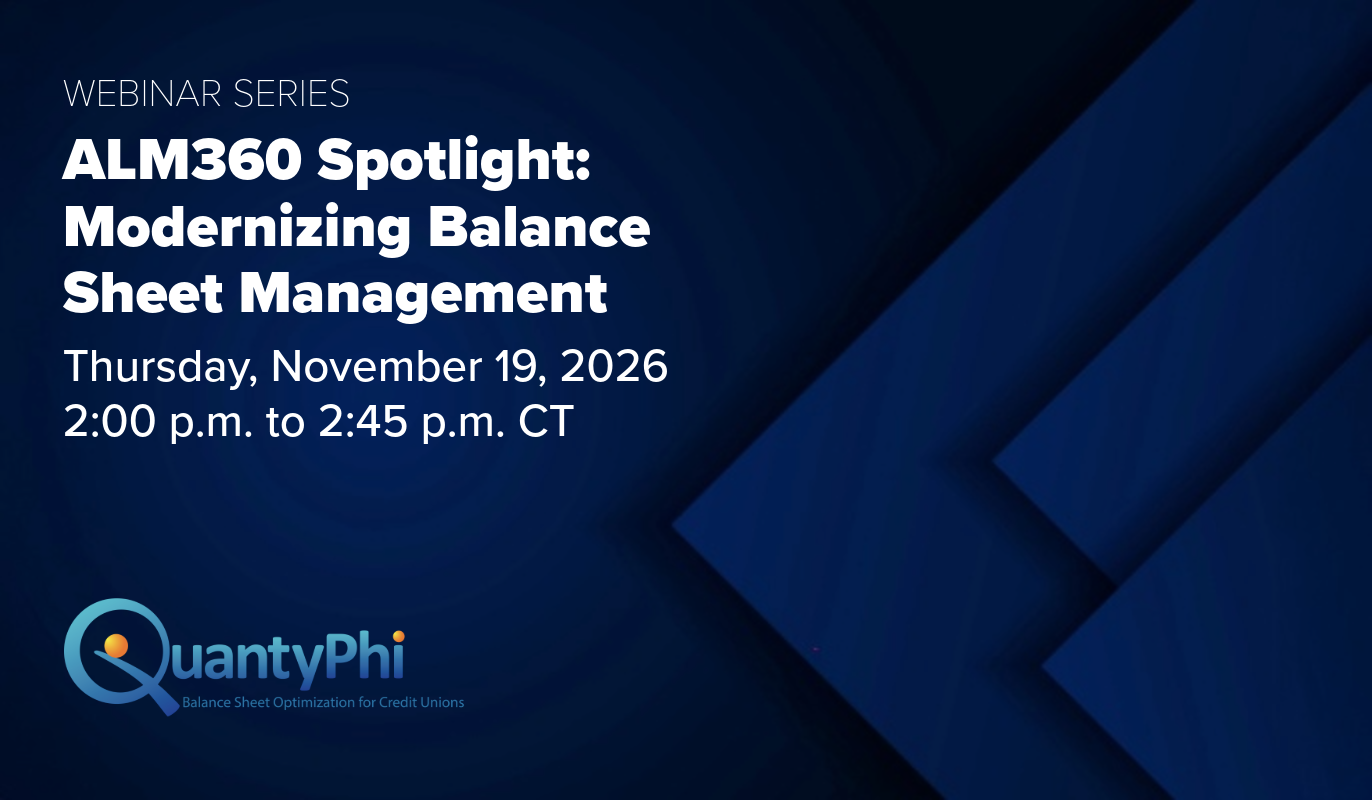
Effectively managing your balance sheet continues to be a critical priority for credit union leaders. QuantyPhi's 2026 quarterly webinar series will guide you through the full power of ALM360, QuantyPhi's integrated balance sheet management platform. Each session demonstrates how its interconnected tools work together to simplify complex processes, improve risk management, and unlock actionable insights.
Our November session focuses on Trade Simulation and the Integrated Marketplace, including Loan Central and the Capital Market Inventory. Learn how these marketplaces provide access to loan and investment opportunities and how ALM360's Trade Simulation tools help evaluate the impact of potential bond and loan purchases on your balance sheet to support more informed strategic decisions.
Session Highlights:
- Understanding Loan Central and the Capital Market Inventory
- Modeling Potential Bond and Loan Purchases
- Evaluating Balance Sheet Impact
- Connecting Strategy, Analysis, and Execution
- Real-World Trade Simulation Application
Join the QuantyPhi team to support our partners and clients at these important events:
- Ascentra Credit Union Golf Event
September 25, 2026 in Bettendorf, IA | Learn more - GoWest Credit Union Association GoWest Convention
October 6 to October 9, 2026 in Denver, CO | Explore the event - Corporate Central Momentum 2026
October 13 to October 15, 2026, in Madison, WI | Register today
Momentum Platinum Sponsor Highlight
Momentum is where credit union leaders gather to share ideas, challenge assumptions, and prepare for what's next. As a Platinum Sponsor, QuantyPhi is proud to support the event and the important conversations taking place throughout the conference. Visit our team to discuss balance sheet strategy, explore ALM360, and learn how credit unions are navigating today's evolving financial landscape.
Financial Reads
Are you looking for some good reading that might help you at work too?
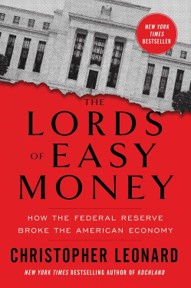
The Lords of Easy Money: How the Federal Reserve Broke the American Economy
In this examination of Federal Reserve policy, Christopher Leonard traces key decisions made between the 2008 financial crisis and the COVID-19 pandemic. The book offers readers a perspective on the relationship between central banking, financial markets, and economic outcomes in the United States.
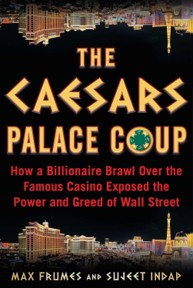
The Caesars Palace Coup: How a Billionaire Brawl Over the Famous Casino Exposed the Power and Greed of Wall Street
Max Frumes and Sujeet Indap provide an in-depth look at the bankruptcy proceedings involving Caesars Entertainment and the competing interests of the parties involved. The book offers insight into corporate finance, restructuring strategies, and the legal processes that shape major bankruptcy cases.
For more investment reads, check out our QuantyPhi Reads selection.
Spotlight on SimpliCD
Could SimpliCD Issuance strengthen your contingency funding strategy?

SimpliCD Issuing connects your credit union to a broad network of institutional investors, providing an efficient way to raise funds through competitively priced CDs. As deposit behavior continues to evolve, many credit unions are reassessing their liquidity strategies. SimpliCD Issuance offers access to nonmember deposits that can complement existing funding sources and support contingency liquidity planning. Contact QuantyPhi to learn more.
Stay Up to Date with QuantyPhi
Sign up to receive announcements and other notifications from QuantyPhi.