Settlement is Strategy: How a Routine Decision Shapes Liquidity, Risk, and the Future of the Credit Union Movement
Originally published on CUInsight.com
Credit unions devote significant attention to loan growth, deposits, liquidity, pricing, capital, and technology. Often overlooked and one of the most consequential balance sheet decisions is where we hold settlement balances. That decision deserves to be elevated.
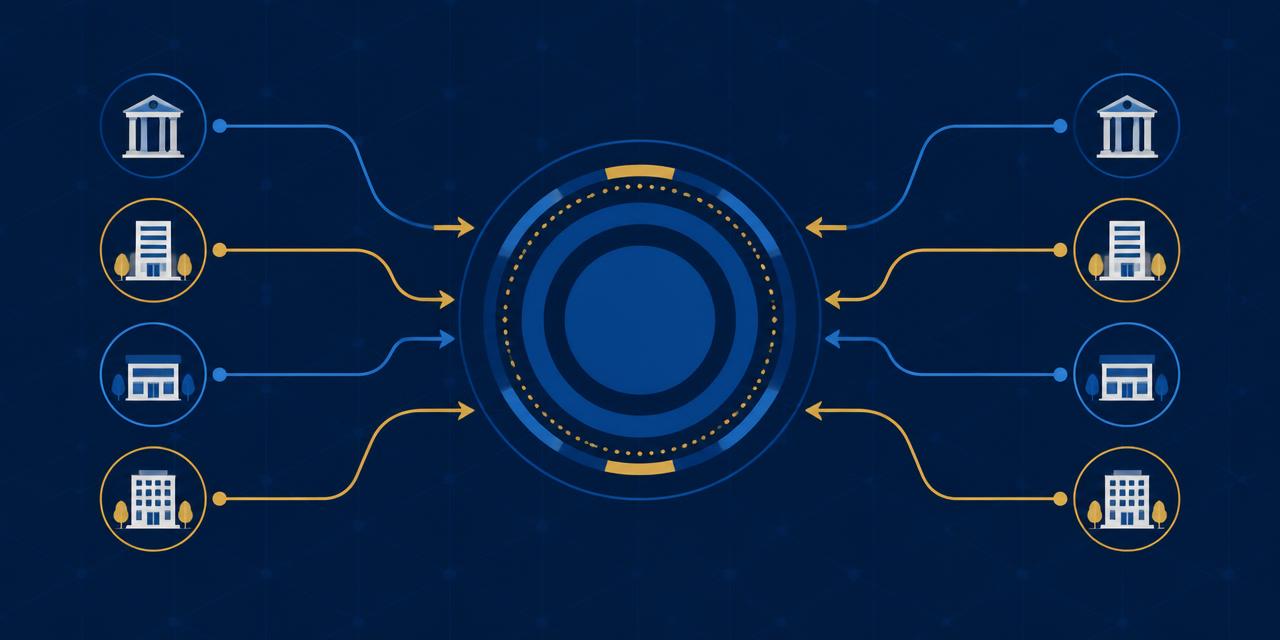
Settlement is more than the movement of funds between institutions; it determines where the system's funds are deployed and who benefits from their value. As credit unions evaluate new vendors, settlement options, and alternative liquidity models, it is critical to recognize that these decisions extend beyond individual institutions. They influence liquidity, lending capacity, risk management, and investment across the credit union network.
In many cases, settlement migration does not occur through a deliberate strategic decision. It occurs during vendor implementations, platform conversions, or onboarding processes where default settlement arrangements are accepted without a full evaluation of their operational and strategic implications.
The System's Hidden Funding Source
At the retail level, deposits fund lending, growth, and innovation. At the corporate level, settlement balances serve a similar purpose. Settlement dollars are to a corporate credit union what deposits are to a retail credit union. They provide the funding base that supports liquidity, lending capacity, and investment in the capabilities that support the broader credit union system. When settlement balances leave the system, liquidity capacity becomes more fragmented, reducing scale and limiting resources available to support the credit union industry.
When those balances remain within the corporate network, they create scale. That scale supports liquidity, enhances lending flexibility, and drives economies that are returned to credit unions. When balances move outside the system, the value they create moves with them, reducing the collective resources available to support the movement. Settlement balances do more than facilitate payments. They determine where the system's financial strength is built.
Unlike many settlement providers, corporate credit unions are owned by and exist to serve credit unions. The value generated through those balances is reinvested into cooperative services, liquidity capacity, and infrastructure that directly benefit the industry.
The Power of Pooled Liquidity
The impact is most visible in liquidity and lending. Corporate credit unions aggregate settlement balances to support lines of credit, intraday liquidity, and the day-to-day funding needs of credit unions. Individually, these balances may seem insignificant, but together they create a liquidity pool with a scale and efficiency that no single institution could replicate alone. As balances leave the system, that pool becomes smaller and more fragmented, reducing the collective capacity to support lending and liquidity needs.
This dynamic is increasingly important as balance sheets grow more complex, and payment systems demand faster, more precise liquidity management. A strong, centralized funding base is not just beneficial; it is essential.
The Hidden Cost of Fragmentation
There is also a critical risk management component. Centralized settlement allows corporate credit unions to absorb and manage intraday liquidity risk, timing differences, and funding complexity on behalf of members. Without this structure, each credit union must manage these dynamics independently, often across multiple providers, with greater operational complexity and duplicated liquidity buffers.
Centralization transfers that burden to an entity designed for it, creating consistency, efficiency, and system resilience. Fragmentation shifts more complexity and risk to individual institutions, weakening the efficiencies and resilience that centralization provides.
Funding the Future of the Movement
Every balance sheet dollar has a destination. The question is not whether settlement balances create value. The question is where that value will accumulate and who will benefit from it. When balances remain within the corporate network, the value created by those funds continues to strengthen the cooperative system. When they move elsewhere, that value leaves with them.
Corporate credit unions invest in infrastructure, payment capabilities, and new technologies through the earnings generated by their operations. Settlement balances contribute to that earning capacity by providing the scale needed to support services, create efficiencies, and fund continued investment in the capabilities credit unions rely on to compete.
When corporate credit unions operate with greater scale and efficiency, the resulting benefits ultimately flow back to credit unions and the members they serve through stronger liquidity support, competitive pricing, and continued investment in services.
When balances leave the system, that reinvestment capacity declines over time. The result is not simply a shift in where transactions settle. It can mean reduced liquidity efficiency, diminished lending capacity, less funding for innovation, and a greater risk management burden across the system. What may appear to be a routine operational decision at the institution-level becomes a structural one when viewed through a systemwide lens.
There are also practical implications. Centralized settlement simplifies liquidity management, reduces reconciliation complexity, and supports a more integrated operating model. Fragmentation can introduce additional transfers, inefficiencies, and operational overhead that individual institutions must manage on their own.
Choosing Where Value Stays
Ultimately, this is a balance sheet decision. Settlement balances perform the same function for the system that deposits perform within each credit union: they fund liquidity, support lending, enable risk management, and drive investment in future capabilities.
Settlement may be operational in function, but it is strategic in effect. Every credit union chooses where its balances are put to work, and those decisions influence liquidity, lending capacity, risk management, and future investment across the system. The earlier these questions are asked, the better positioned institutions are to make decisions that serve both their own goals and the long-term strength of the cooperative movement.
At Corporate Central, we believe understanding the systemwide impact of settlement is essential to making informed, strategic decisions. Learn more about our approach to payments, liquidity, and cooperative support on Corporate Central's website.

About the Author
John F. Hickey, CWCUL, Vice President Investments directs daily functions related to member loan operations and Asset Liability Management. He serves as portfolio manager and is a member of the Asset-Liability Committee (ALCO). Additionally, John is responsible for research and development of new products, services, and partner relationships.